Slide a line inwards from the chosen direction. The first vertex it meets selects a region.
Postdoctoral research · University of Manchester
Xing-Yu Li李星宇
xing · staryu · cosmos
Complex analysis · Differential equations · Transcendental dynamics
Follow a ray into a mathematical landscape.
Choose a region to explore. Or turn the direction below and watch the geometry change.04About me↗Background & contact03Academic life↗Talks, visits & meetings02Publications↗Papers & preprints01Research↗Questions in complex analysis05Autoformalisation↗LLM-assisted Lean experiments
KConvex hull · K = conv(W)The smallest convex shape enclosing these points
This direction leads to Research ↗
Convex hullCritical raysSupporting lineSmall notes
Inside this direction
Vertices are sections; interior points are topics. Hover or focus a keyword to learn more, and follow it to the relevant page.
02Publications
04About me
05Autoformalisation
Explore a keyword to see what it connects to.
In between
A few pages beyond the sections.
The world is not a lonely silence
A song to share
Light Years Away · 光年之外
G.E.M. 鄧紫棋
Preview is off. Use the switch to hear a little of this song.

30-second preview · provided courtesy of iTunes.
The most soothing seaside
The most soothing stretch of coast I have ever seen.
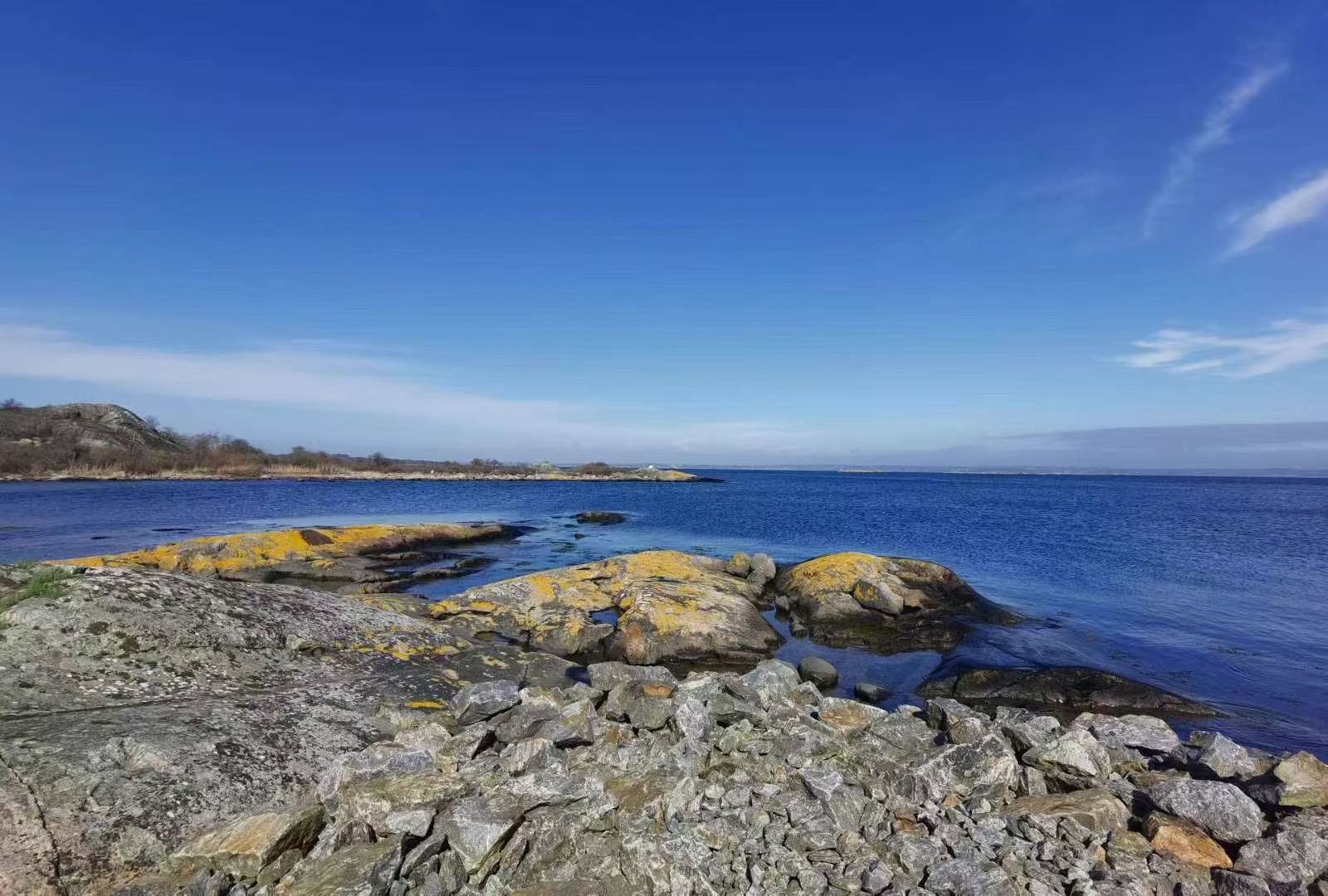
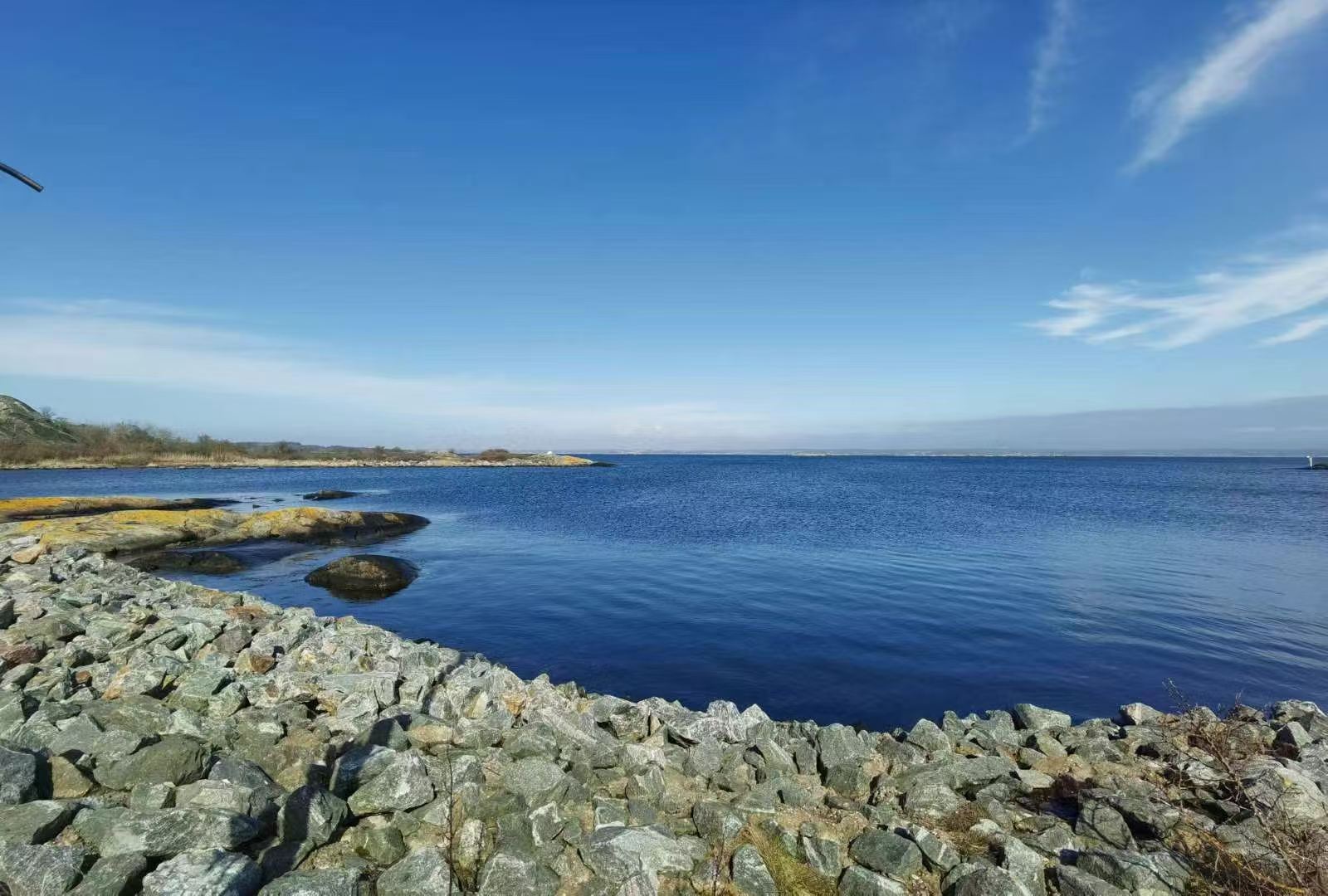
Travelling with a swim bag
I enjoy swimming as a hobby and have practised all four strokes. When I have more free time, I swim almost every day. I usually take my swim bag with me when I travel.
One small ambition is to visit a dedicated swimming pool in every city—a collection of pools, one city at a time.
The slow train via Schwerin
If you’re wandering around northern Germany, take a slow train via the loveliest stopover: Schwerin.
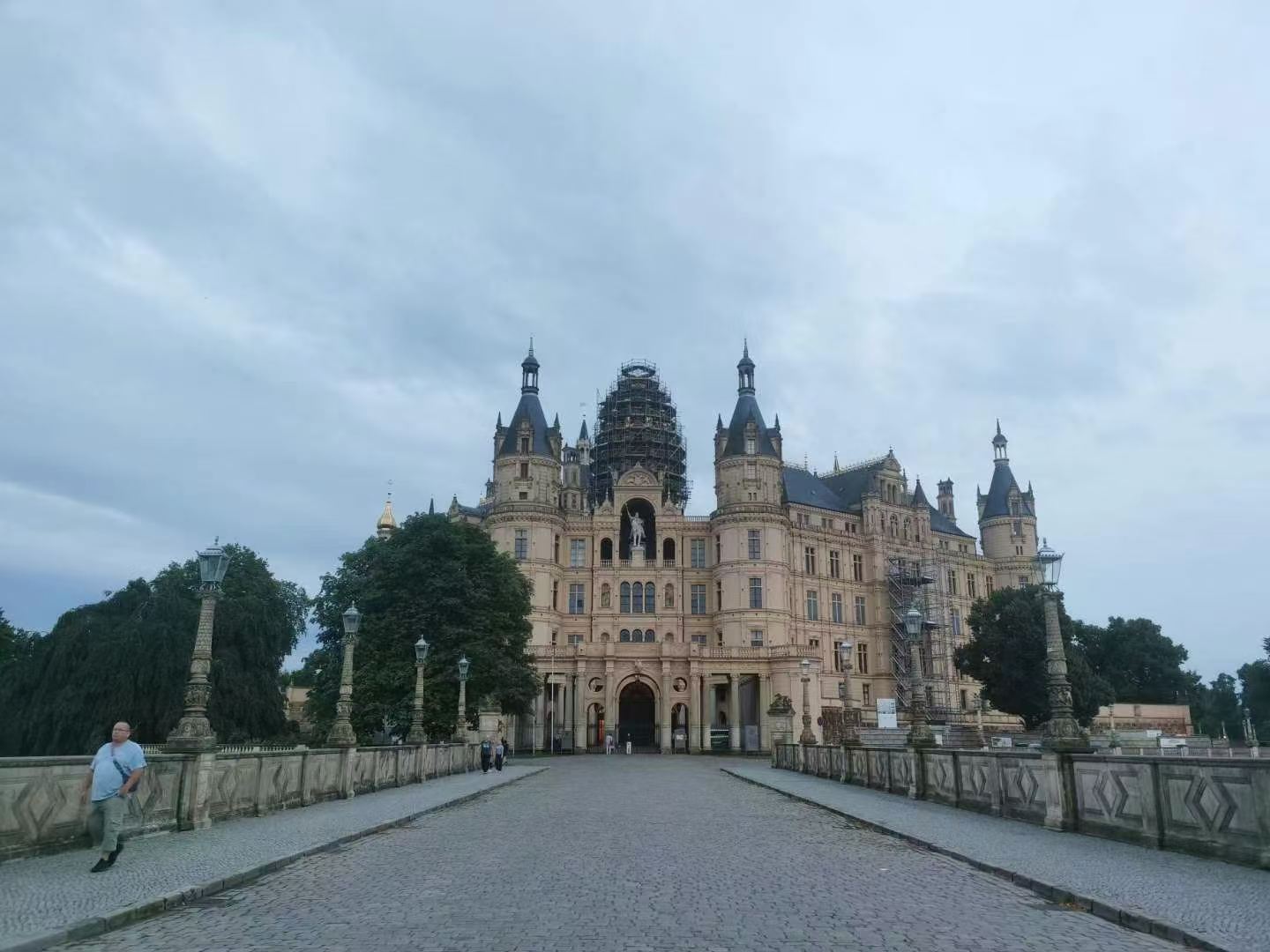
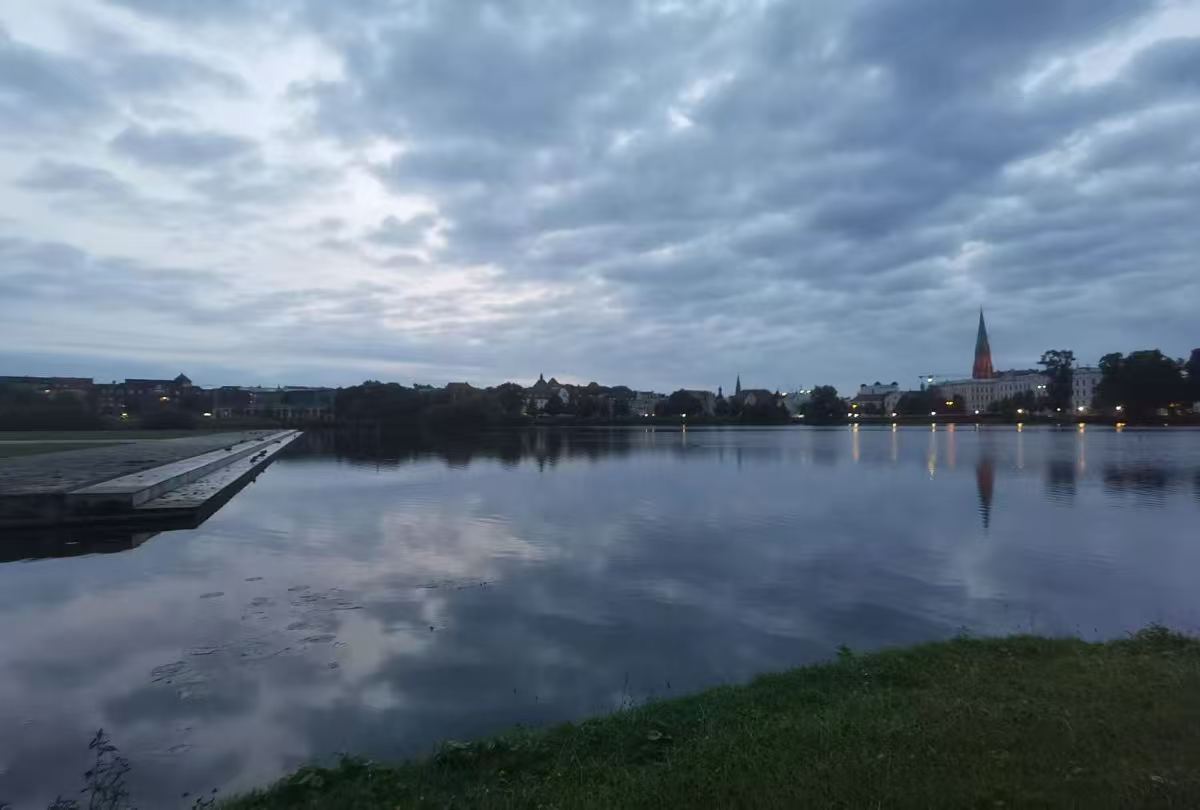
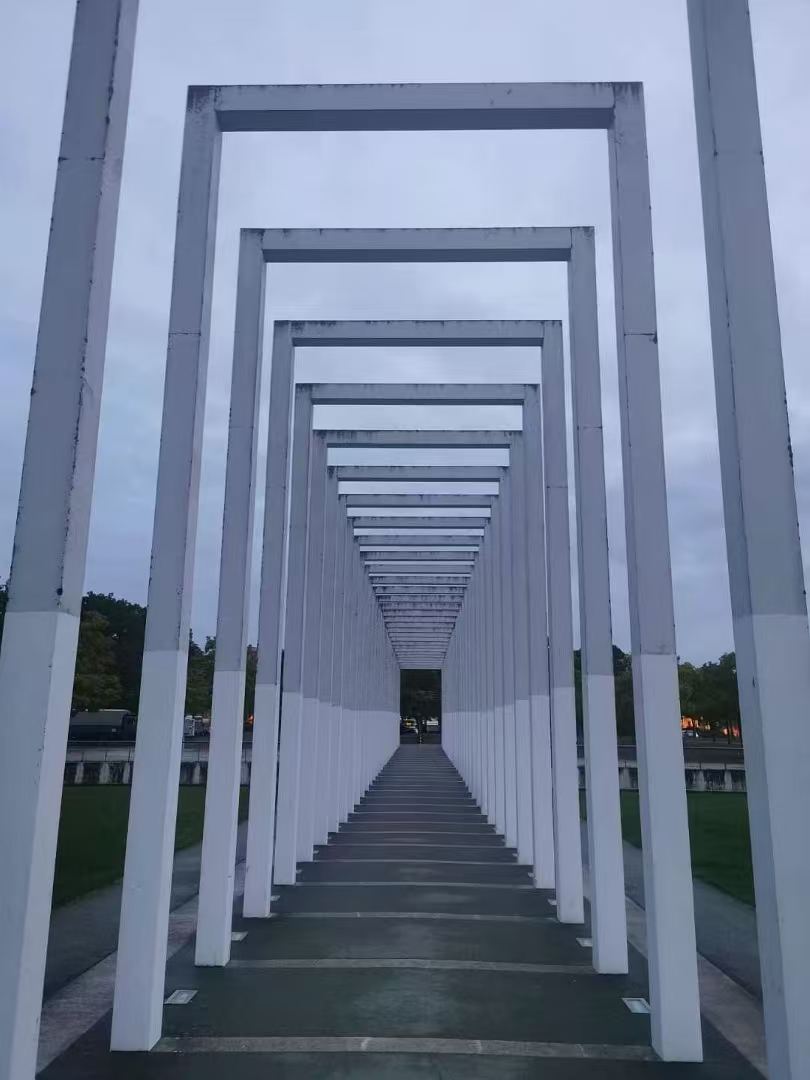
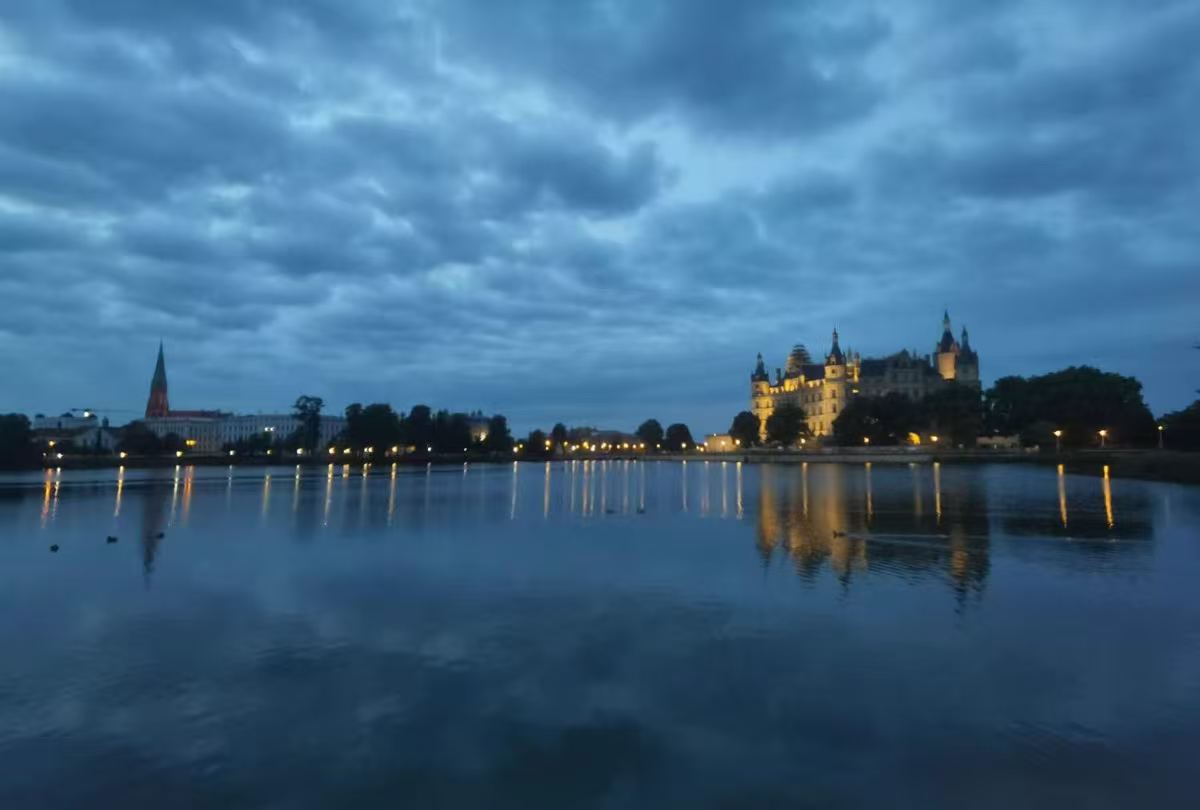
A familiar geometry in the stars
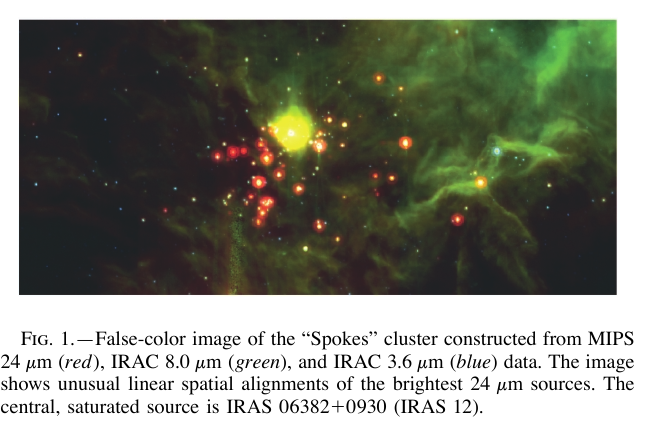
The bright points in this image seem to gather along a few rays. They reminded me of the critical rays in my work, and of the small points scattered through this homepage.
A resemblance can be the beginning of a question: might these different patterns have a mathematical language in common? For now, I am keeping this visual encounter here, as a question rather than a conclusion.
To be continued…
Why do these rays divide the page?
As the direction turns, the supporting line usually touches one vertex. At a boundary direction, it touches an entire edge: the highlighted vertex changes. These edge-normal directions are the critical rays used to divide this page.
The pale regions are separated by parabolic margins around the critical rays. In coordinates along and across a ray, their shape is |t| ≤ c√s: their angular width tends to zero at infinity. Here they give the sections room to breathe; they do not describe a zero set. The small rings open short notes, borrowing the visual idea of zeros near a boundary.
In my work on exponential sums, this geometry helps distinguish which exponential term dominates in each direction. The navigation is an adaptation of Figure 1 and §3.1 of my public preprint. Sections and keywords form an editorial topic map; their positions are illustrative.
Read the mathematical source ↗For W = {conjugates of the frequencies λⱼ}, let K = conv(W). A direction θ selects a vertex maximizing Re(λⱼ eⁱᶿ). Critical rays are outward normals to the edges of K; on a boundary, the adjacent vertices tie.

About
A little about me
I am a CSC-funded postdoctoral researcher in the Department of Mathematics at the University of Manchester, working with Lasse Rempe. My research is in complex analysis, complex differential equations and transcendental dynamics.
From my research
arXiv:2611.12670 (2026)Global zero distribution and pluripolar exceptional cones for complex linear differential equations
Global zero-counting asymptotics and a joint radial-angular limit for generic solutions, with a complete pluripolar exceptional cone and stability under lower-type perturbations.
View all publications →Guestbook
A few words from visitors
If a ray brought you here, you are welcome to leave a little echo.
A greeting, an interesting question, or a suggestion about the site.
Visit the guestbook →Messages are public. Please keep unpublished research ideas private.